Nature Roots Health Care · Wellness Product
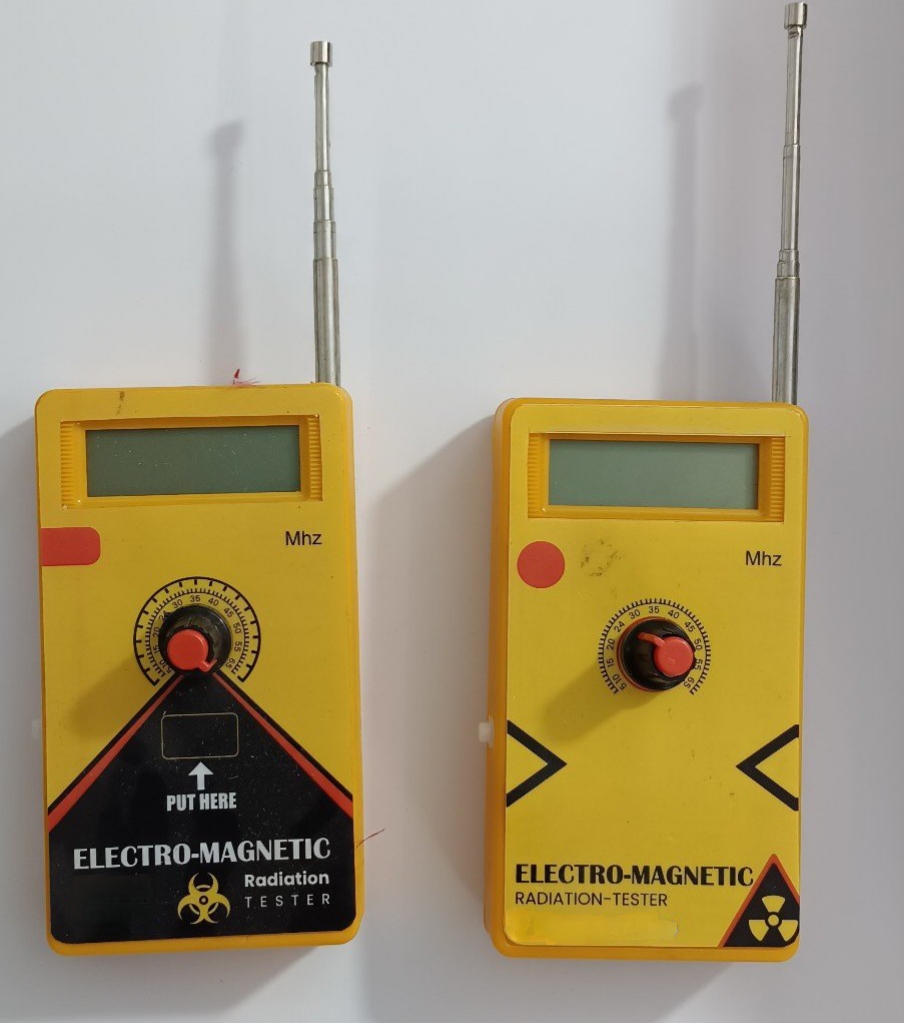
ELECTRO-MAGENITIC RADIATION TESTER
₹2,449
₹3,500
BV: 770.00
An Electromagnetic Radiation (EMR) Tester—often called an EMF Meter (Electromagnetic Field Meter)—is a handheld device used to measure the levels of electromagnetic radiation in your surroundings. These devices detect radiation emitted by electronic appliances, power lines, Wi-Fi routers, and mobile phones.
Here is a complete guide to its uses, precautions, and benefits.
1. Uses of an EMR Tester (Upyog)
An EMR tester is primarily used to identify invisible radiation hotspots in your home or workplace.
• Checking Household Appliances: You can measure radiation levels coming from everyday electronics like microwaves, refrigerators, induction cooktops, and televisions.
• Testing Wireless Devices: It helps you see how much radiation is emitted by your Wi-Fi routers, mobile phones, Bluetooth speakers, and laptops.
• Evaluating Home Location: You can use it to check if nearby high-voltage power lines, cell towers, or electrical transformers are leaking high levels of radiation into your living space.
• Inspecting Wiring Issues: It can detect faulty or improperly grounded electrical wiring hidden inside walls.
2. Benefits of Using an EMR Tester (Fayde)
Using an EMF meter gives you control over your environment and helps you make data-driven decisions for your health.
• Creates a Safe Living Space: By finding radiation hotspots, you can rearrange your furniture (like moving a bed away from a wall that shares a wireless router) to reduce daily exposure.
• Peace of Mind: It eliminates guesswork. Instead of worrying blindly about radiation, you get exact numbers to know if your environment is safe.
• Verifies Shielding Products: If you purchase anti-radiation curtains, paints, or phone cases, you can use the tester to verify if those products actually work.
• Promotes Better Sleep: Finding and turning off high-EMF devices near your bed can significantly improve sleep quality and reduce headaches.
3. Precautions While Using an EMR Tester (Savdhaniya)
To get accurate results and ensure your safety, keep these precautions in mind:
• Understand the 3 Types of EMF: Standard testers measure three different things: Magnetic fields, Electric fields, and Radiofrequency (RF). Ensure you are using the correct mode for the right device (e.g., use the RF mode for Wi-Fi/phones and Magnetic mode for appliances).
• Don't Panic Over Temporary Spikes: EMF levels fluctuate. A high reading for a split second (like when a phone first rings) is normal. Look for consistent, high baseline readings instead.
• Maintain Safe Distance: Do not touch the tester directly to highly dangerous high-voltage areas. Keep a safe physical distance while measuring.
• Calibrate and Check Batteries: Low battery levels can cause the screen to show false, abnormally high, or low readings. Always keep the device well-charged.
• Read the Manual for Safe Limits: Different countries have different safety standards (measured in mG, µT, or V/m). Read your device's manual to understand what number constitutes a "danger zone.