Nature Roots Health Care · Wellness Product
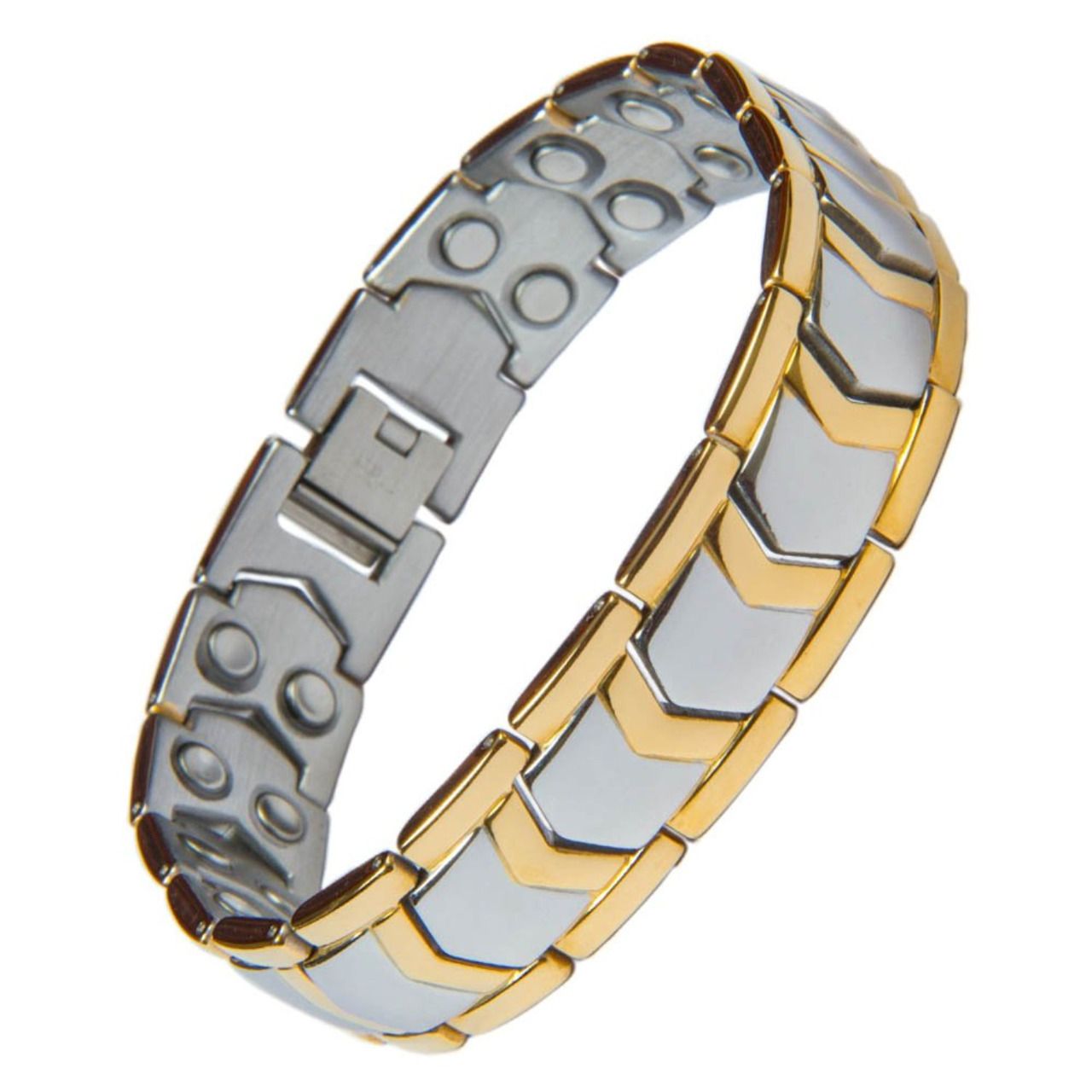
BIO MAGNETIC NEODYMIUM BRACELET
₹2,499
₹4,999
BV: 1,500.00
A bio-magnetic bracelet is a wearable alternative wellness accessory embedded with small static magnets. These bracelets are widely marketed as a non-invasive way to manage pain and improve physical energy by interacting with the body's natural magnetic fields.
Here is the complete information regarding their uses, benefits, precautions, and what science says about them:
1. Uses of Bio-Magnetic Bracelets (Upyog)
• Daily Wear Accessory: It is worn directly on the wrist (usually the left wrist closer to the heart, or on the specific arm experiencing discomfort).
• Alternative Pain Management: People use it as a complementary, pill-free approach alongside standard therapy for chronic conditions like arthritis or joint stiffness.
• Recovery Support: Many individuals use them during or after workouts, manual labor, or long periods of standing to manage fatigue.
2. Main Claimed Benefits (Fayde)
Proponents and manufacturers of bio-magnetic bracelets highlight several health benefits:
• Pain and Stiffness Relief: It is heavily used to ease discomfort in the wrists, hands, fingers, and shoulders caused by conditions like osteoarthritis or repetitive strain.
• Improved Blood Circulation: Sellers often claim that the magnets interact with the iron components in your blood to enhance localized blood flow, bringing more oxygen and nutrients to tissues.
• Reduced Inflammation: The micro-magnetic fields are believed to help soothe tissue swelling and localized inflammation around the joints.
• Better Sleep Quality & Relaxation: Some users report that keeping the bracelet on overnight helps them experience a deeper, more relaxed sleep by alleviating minor physical aches.
• Stress Management: It is sometimes promoted for its calming, grounding effects on the mind and body.
3. Crucial Safety Precautions (Savdhaniya)
While magnetic bracelets are generally safe for healthy adults, you must strictly observe the following precautions:
• Electronic Medical Implants (Strict Contraindication): Never wear a magnetic bracelet if you have a pacemaker, insulin pump, or defibrillator. The magnetic field can severely interfere with the functioning of these life-saving medical devices.
• Pregnancy: Pregnant individuals are advised to avoid magnetic therapy due to a lack of safety data regarding the long-term exposure of static fields to the fetus.
• Medical Scans (MRI / X-Rays): Always remove the bracelet before undergoing any hospital imaging scans like an MRI, as the highly powerful clinical magnets will interact violently with wearable jewelry.
• Skin Sensitivities: If the bracelet metal contains cheap alloys or finishes, it might cause redness, itching, or allergic contact dermatitis. Stop using it if your skin reacts.
• Do Not Replace Medical Treatment: Never stop taking your prescribed medications or ignore advice from your healthcare provider in favor of a magnetic bracelet.
4. What Science and Medical Evidence Say
It is important to know the factual reality regarding these accessories before investing in them:
• The Placebo Effect: Clinical research—including major double-blind, placebo-controlled trials published by institutions like the National Center for Complementary and Integrative Health (NCCIH)—shows that static magnetic bracelets do not offer any measurable medical benefits beyond a placebo effect. The perceived relief is usually psychological or a result of natural fluctuations in pain.
• The "Iron in Blood" Myth: Medical science clarifies that the iron in human hemoglobin is not ferromagnetic (it is not attracted to everyday magnets). If human blood reacted to magnets the way manufacturers claim, a person would face fatal issues inside an MRI machine, which features magnetic forces thousands of times stronger than a bracelet.
Summary: If you find the bracelet aesthetically pleasing and do not have a pacemaker or pregnancy, it is safe to wear as a general wellness token. However, it should not be relied upon to treat serious underlying medical conditions.