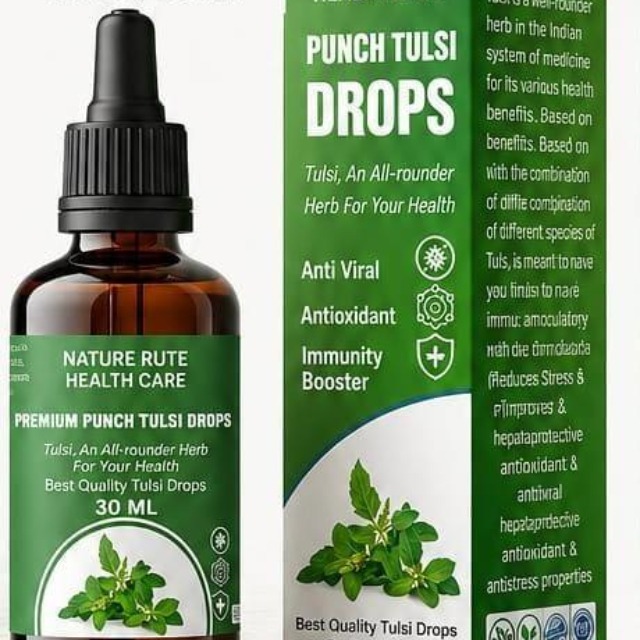
Nature Roots Health Care · Wellness Product
TULSI
₹270
₹399
BV: 110.00
Tulsi, scientifically known as Ocimum sanctum and popularly called Holy Basil in English, is revered as the "Queen of Herbs". It holds a prominent status in Ayurvedic medicine due to its extensive therapeutic and healing properties.
Below is the complete information regarding the benefits, uses, and precautions associated with Tulsi.
1. Health Benefits (Fayde)
Tulsi is a powerhouse of antioxidants, vitamins, and essential oils like eugenol, which provide numerous physiological benefits:
• Boosts Immunity: Rich in Vitamin C and Zinc, Tulsi acts as a natural immunity booster. It enhances the activity of immune cells to defend the body against infections.
• Relieves Respiratory Disorders: It helps clear congestion, mucus, and phlegm from the bronchial tubes. It is widely used to treat coughs, common colds, asthma, and bronchitis.
• Reduces Stress and Anxiety: As a potent adaptogen, Tulsi helps the body adapt to psychological and physical stress. It helps balance neurotransmitters like dopamine and serotonin to calm the mind.
• Manages Blood Sugar Levels: Regular consumption supports the regulation of blood glucose, aiding in diabetes management.
• Promotes Heart Health: Tulsi helps lower blood pressure and balances cholesterol levels, protecting the cardiovascular system from oxidative stress.
• Improves Skin and Hair: Its antibacterial and antifungal properties help eradicate acne, blemishes, and skin infections, while detoxifying the blood.
2. Common Uses (Upyog)
Tulsi can be integrated into your daily routine through various forms:
• Tulsi Herbal Tea (Decoction): Boiling fresh or dried Tulsi leaves in water with a pinch of black pepper or ginger is an effective home remedy for cold, cough, and fever.
• Fresh Leaves: Chewing 2 to 3 fresh Tulsi leaves daily on an empty stomach is traditionally recommended for general health maintenance.
• Steam Inhalation: Adding fresh leaves to boiling water for steam inhalation helps clear sinus congestion and soothens inflamed airways.
• Supplements: It is commercially available as Tulsi tablets, capsules, powders (Churna), or drops (Ark) for standardized clinical dosages.
• Topical Application: Fresh leaf paste can be applied directly to minor skin wounds, insect bites, or acne due to its antimicrobial properties.
3. Precautions and Side Effects (Savdhaniya)
While generally safe, certain conditions require cautious use or total avoidance of Tulsi:
• Pregnancy and Breastfeeding: Pregnant or lactating women should avoid high therapeutic doses of Tulsi, as it may cause uterine contractions or impact hormonal balance.
• Blood Thinning Properties: Tulsi exhibits natural anti-clotting activity. If you are taking prescription blood thinners (like Warfarin or Aspirin) or scheduling a surgery, consult a doctor to avoid bleeding risks.
• Hypoglycemia Risk: Because it effectively lowers blood sugar, individuals taking diabetes medications must monitor their levels carefully to prevent hypoglycemia (excessively low blood sugar).
• Fertility: Some animal studies suggest that very high, prolonged consumption of Tulsi might reduce sperm count and affect male fertility.
• Concentrated Drops: Tulsi drops (Ark) should always be diluted in water rather than taken directly, as their highly concentrated, hot potency can cause hyperacidity or irritation.